
A job architecture requires a methodologically sound and pragmatic approach. Only then does HR data become a reliable basis for decision-making.
Job Architecture
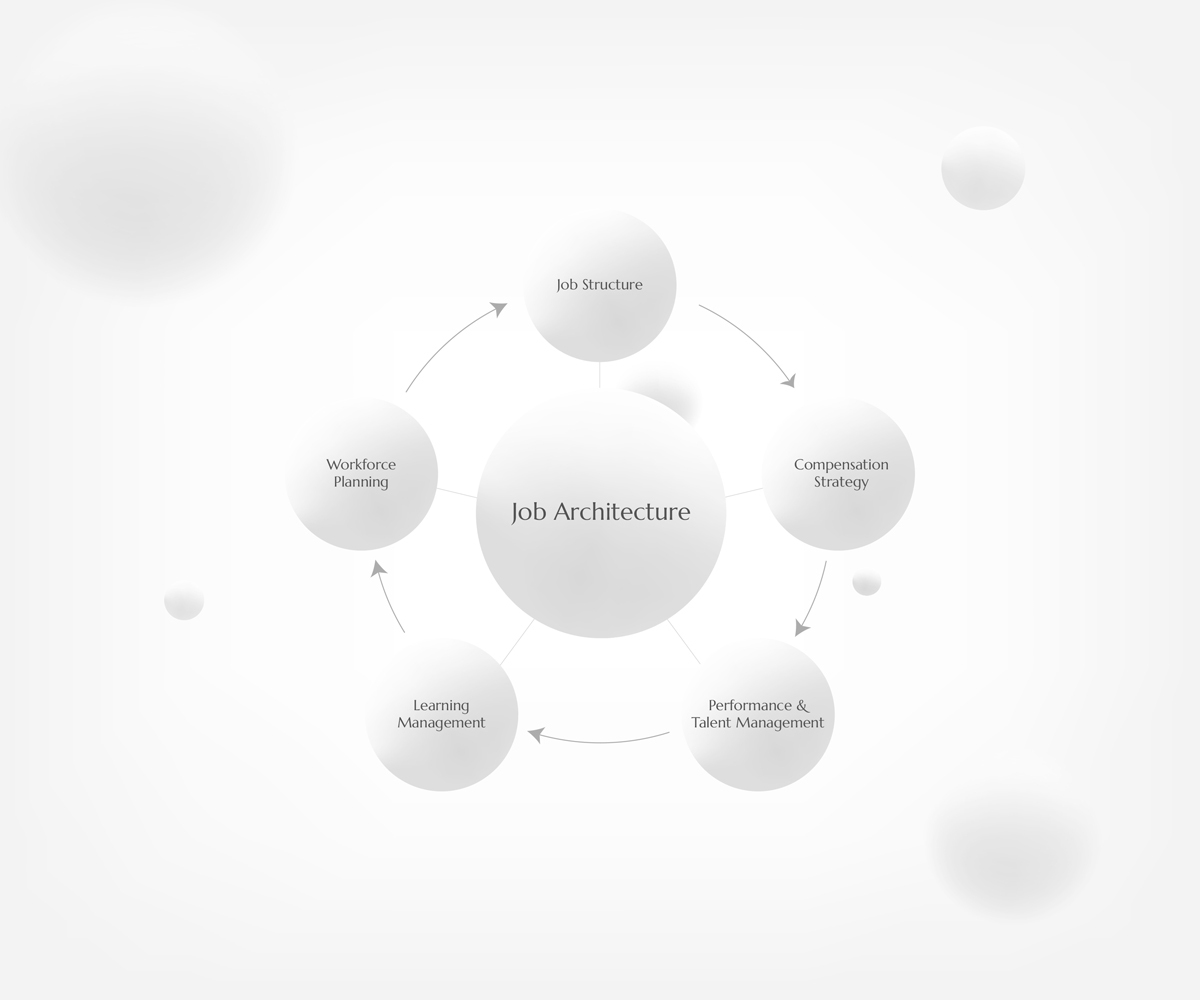
Job Architecture
Job Architecture Instruments
A job architecture creates organization-wide clarity about roles, responsibilities, and value contributions. It establishes a consistent data foundation for fair compensation, effective talent and performance management, and systematically connects people decisions with the business strategy. This creates transparency, governance, and a robust basis for sustainable growth.







Job Architecture
Official Partners
HCM International Ltd. is the official implementation partner of gradar & COLMEIA.

gradar is the complete solution for end-to-end job architecture management. This modern, user-friendly software uses job evaluation as the basis for pay analytics, market benchmarking and equal pay analysis - helping organisations build fair, transparent rewards structures that comply with emerging pay transparency legislation.

COLMEIA is a cloud-based platform for job architecture and strategic workforce management. It helps organizations structure roles, competencies, and career paths centrally and link them with existing HR systems. This makes workforce structures more transparent and strategic workforce planning more efficient.
Job Architecture
FAQ General Job Architecture
A job architecture describes the systematic structure of all functions within a company. Jobs are defined based on consistent criteria such as responsibility, influence, or complexity and are placed within a clear structure. This makes roles comparable across the organization.
Many companies lose oversight of jobs, titles, and responsibilities as they grow, expand into new business areas, or develop international structures. A consistent job architecture creates transparency and forms the basis for core HR processes such as compensation, talent management, promotions, or workforce planning.
As organizations grow, different job titles, interpretations of roles, and compensation logics often emerge. Without a clear structure, HR decisions become difficult to compare and discussions about fairness increase.
A job architecture creates transparency about jobs, responsibilities, and value contributions within an organization. This enables HR and management to compare functions more effectively and make consistent decisions regarding compensation, career development, or staffing.
The need often arises when organizational complexity increases. Typical triggers include rapid growth, international expansion, new business models, or a growing variety of roles and functions.
Discussions about fair compensation or increasing requirements for pay transparency also lead companies to systematically define their role structures. In such situations, a job architecture provides orientation and reduces structural ambiguity.
Implementation usually begins with defining a target vision for the future job structure. Based on this, existing functions are analyzed, jobs are described, and structured into job families or career levels. In many cases, a job grading is also conducted to make functions comparable.
A pragmatic approach that reflects the organizational reality and considers existing HR processes is essential.
A job architecture forms the structural foundation for a consistent compensation strategy. When functions are clearly defined and comparable, salary bands can be systematically developed and market benchmarks applied more precisely.
This makes compensation decisions more transparent and internally fair. At the same time, managers gain clear guidance for salary decisions and HR can manage compensation structures over the long term.
A structured job architecture enables systematic analysis of workforce size, costs, and competencies. When jobs are clearly defined and consistently structured, companies can develop scenarios for future workforce needs and align them with their strategic planning.
Especially during transformation phases, a job architecture helps identify changes early and derive targeted measures for reskilling, internal mobility, or recruiting.